
Lot tracking and expiration management in Los Angeles.
Every unit is tied to its lot number and expiration date from receiving to your customer's door. When a supplier flags a lot, you'll know where it went within the hour.
Get a free fulfillment risk audit →For supplement, food, cosmetic and other dated or regulated brands. FDA-registered facility, 30 miles from the Ports of LA and Long Beach.
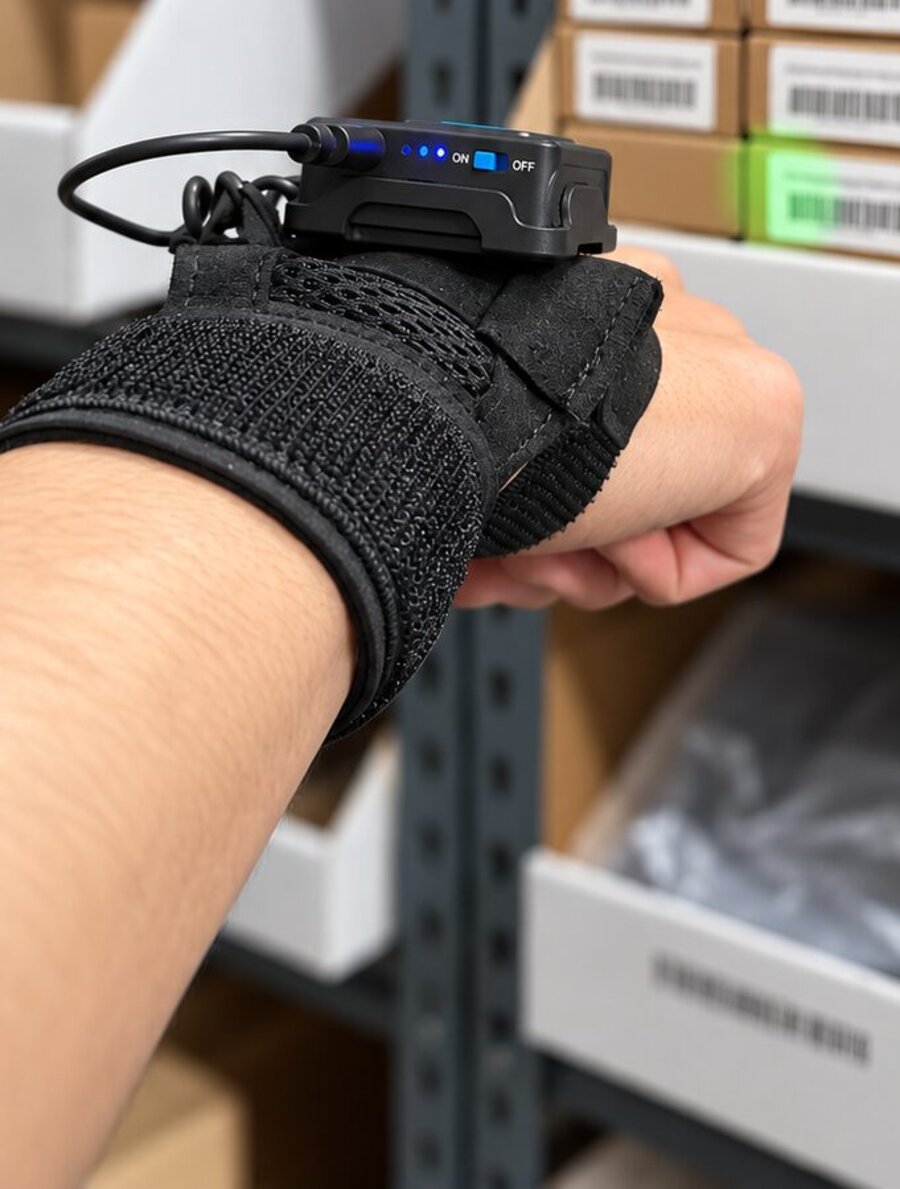
Most 3PLs track SKUs. Recalls happen by lot.
If your 3PL only knows how many units of a SKU are on the shelf, a supplier recall turns into guesswork. You can't tell which customers got the affected batch, so you pull everything or email everyone.
Expiration works the same way. Without lot-level control, older stock sits at the back while newer stock ships, and you find out when a customer posts a photo of an expired bottle or Amazon flags an inbound shipment.
At Stride, lot and expiration data follow every unit through receiving, storage, picking and shipping. Traceability isn't a report we build after a problem. It's how the warehouse runs.
How lot tracking works at Stride
Receive
Lot number and expiration date are captured for every inbound unit.
Store
Inventory is stored and counted by lot and location in our WMS.
Pick
Pickers scan the SKU and lot. Dated products ship first-expired, first-out.
Ship
Each order records exactly which lot went in the box.
Trace
Need a lot pulled? Order list within the hour, remaining units on hold.
Lot control built into every step of fulfillment
Lot and expiration capture
Lot numbers and expiration dates are recorded at receiving and tied to each storage location, so inventory is never just a SKU count.
FEFO and FIFO picking
First-expired, first-out for supplements, food and cosmetics. First-in, first-out for products without a date.
Lot-controlled picking
Pickers scan SKU and lot at the shelf, so the lot recorded on the order is the lot in the box.
Order-to-lot traceability
Look up a lot and see every order it shipped to. Look up an order and see which lot it got. Both directions.
Recall and quarantine holds
Affected lots go on hold right away, so nothing else ships while you decide what happens next.
Audit-ready records
Lot and shipment history is available when a retailer, Amazon or an FDA inspector asks for it.
Lot tracking for the products that need it most
Lot and expiration control is standard for every client in these categories, not an add-on.
When something's off with a lot, one message gets it handled.
Your dedicated account manager knows your SKUs, lots and launch calendar. No ticket queues, no help desk, no rotating reps.
Lot tracking FAQs
What is lot tracking in fulfillment?
Lot tracking records the production batch, or lot number, of every unit from the moment it reaches the warehouse until it ships. It tells you which customers received a specific batch, which matters for recalls, quality complaints and expiration control.
How fast can you trace a lot during a recall?
Within the hour. We put the remaining units on hold and send you the list of orders that received the lot, with customer details, so you can contact only the people affected.
What's the difference between FEFO and FIFO?
FIFO ships the oldest received stock first. FEFO ships the stock with the earliest expiration date first. For dated products FEFO is the safer rule, because the order stock arrives in doesn't always match the order it expires in.
Do you track expiration dates?
Yes. Expiration dates are captured with the lot at receiving and drive picking order for dated products, so short-dated stock doesn't sit at the back of the shelf.
Which products need lot tracking?
Supplements and vitamins, food and beverage, cosmetics and personal care, and other dated or regulated goods. Amazon and many retailers expect lot and expiration control for these categories.
Where is your warehouse?
Rowland Heights, California, in the LA/Ontario freight corridor, about 30 miles from the Ports of Los Angeles and Long Beach.
Know where every lot went before you need to.
In a free fulfillment risk audit, we review how your current 3PL handles lots, expiration dates and recalls, then tell you what we'd change. No pitch deck.
Get my risk audit →


